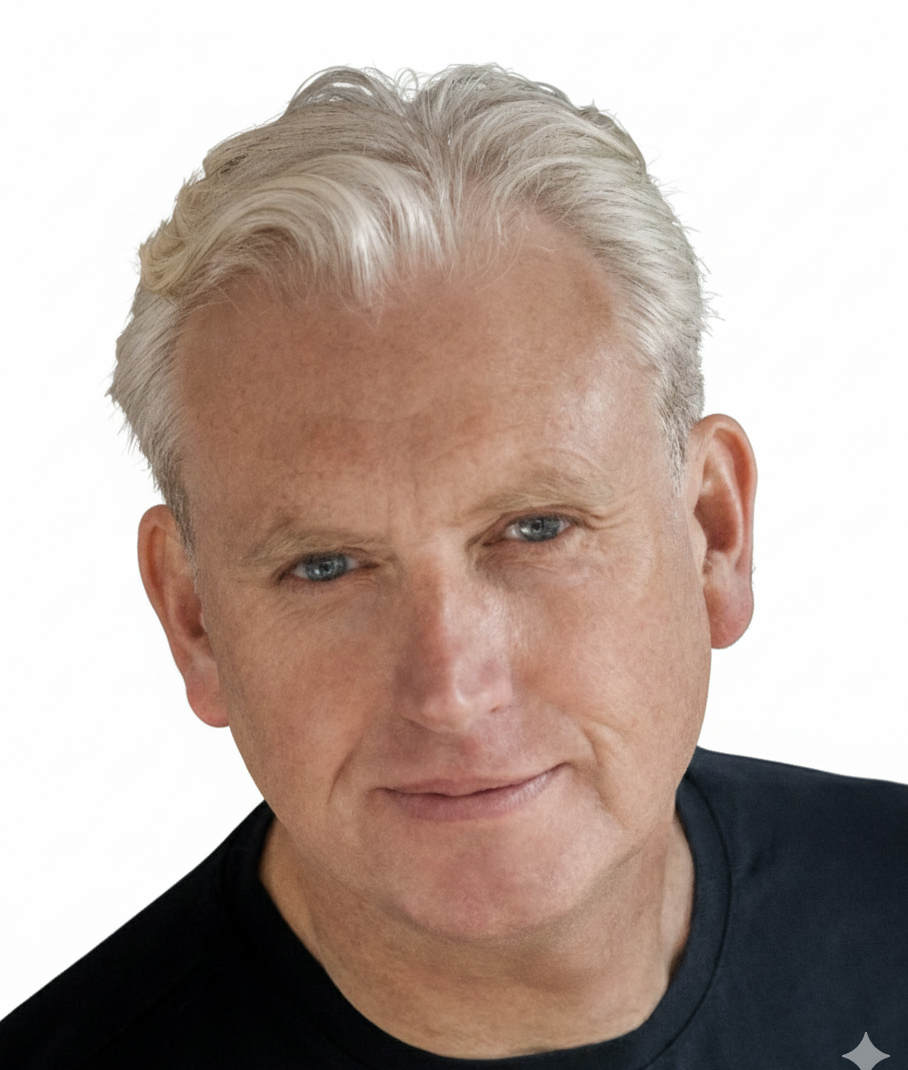
It's not often I hear an interview that genuinely reframes a familiar subject. Marc Andreessen's recent conversation with Lenny Rachitsky did that for me.
Andreessen co-founded Netscape, built one of Silicon Valley's leading venture firms Andreessen Horowitz (a16z), and has a solid track record of calling out technology shifts before they arrive.
His take on AI and employment is worth sitting with. He argues that the fixation on role replacement misses the point. Roles are bundles of tasks. Tasks evolve. Roles persist.
The executive who once dictated memos to a secretary now types their own emails. The secretary who typed those letters now orchestrates logistics and events. Both roles adapted. Neither vanished.
Andreessen traces this pattern back centuries. The word "calculator" once referred to people, rooms of them doing equations by hand. We've been abstracting layers of human labour ever since. AI is the next layer.
Using AI to learn, not just complete tasks
Rather than just using AI to complete tasks, he suggests using it to learn. Treating it as a tutor, not merely a tool. Asking it to train you. Building capability, not just output.
What's changed is accessibility. Non-technical professionals can now build working apps and automations with Claude Code, learning from Claude as they go. Students can use it as a coach to accelerate their learning. The opportunity is there. It just requires a willingness to experiment.
The reality of what's happening
The debate about what's coming will continue. Role losses, restructuring, new kinds of work. No one knows how it will play out.
In the last fortnight alone, Amazon, Dow, Mastercard, Autodesk, Pinterest, Citigroup and others have announced major cuts. The stated reasons range from reducing bureaucracy to operational simplification. Whatever label goes on the press release, many see AI as the accelerant, raising expectations of what lean teams can deliver and reshaping where budgets flow.
Teams and individuals who learn to augment their work with leading AI models and shift to a mindset of orchestration will multiply their value. However the next few years unfold, to me that seems like a sensible place to be.
Listen to the conversation
The full podcast is worth your time. You can listen on Spotify.
Tim Bond is the founder of CogniScale, which helps teams work with AI colleagues and measures what changes.